Chronographs
Best Shooting Chronographs
Quick answer
The best all-round chronograph is the Garmin Xero C1 Pro Compact Ballistics Chronograph at $499.99, because it uses Doppler radar placed beside the shooter rather than a screen downrange of the muzzle, which removes the single most common safety failure in this category.
Every drop figure printed in a ballistics app or a manufacturer's chart starts from a muzzle velocity, and the number on the box comes from a test barrel that is not your barrel. A difference of 100 feet per second between the catalogue figure and your actual load is completely ordinary, and it is large enough to matter well before you would guess.
Chronographs split into two designs that solve this differently. Optical chronographs use light sensors that a bullet passes over, and they have to sit downrange of the muzzle to work. Radar chronographs sit beside the shooter and track the bullet as it leaves, which removes an entire category of risk that optical units carry.
These recommendations come from published manufacturer specifications and owner-review consensus. Nobody on this site claims to have chronographed these units against a master reference to rank them by accuracy, and any review that implies that level of controlled testing for a chronograph roundup should be read with skepticism.
On this page
- What a 100 fps error actually costs you at distance
- Radar against optical: the design difference that matters most
- Why a chronograph beats trusting the box
- Beginner: an optical chronograph, placed correctly
- Intermediate: radar, and the safety upgrade that comes with it
- Expert: a drag curve from your own bullet
What a 100 fps error actually costs you at distance
The scale of the error
A catalogue muzzle velocity that is 100 fps optimistic compounds with distance because the bullet spends longer in flight and drops for longer than the drop table assumes.
These are illustrative figures for a typical mid-weight centrefire load under a G1 model, not a specification for any particular cartridge. The point is the shape of the curve.
Close in, a 100 fps error is nearly invisible. Past 600 yards, it becomes one of the largest correctable errors in the whole shot.
A muzzle velocity that is 100 feet per second optimistic puts a typical centrefire load roughly a foot low at 600 yards, and the error keeps growing well beyond that.
Sourced figure
| Distance | Approximate error | In MOA |
|---|---|---|
| 300 yd | About 2 in | About 0.6 MOA |
| 600 yd | About 12 in | About 1.9 MOA |
| 900 yd | About 32 in | About 3.7 MOA |
| 1200 yd | About 65 in | About 5.7 MOA |
Figures are the scale of the error from a G1 point mass model on a typical mid-weight centrefire load, not a specification for any particular cartridge. Measure your own load and this error disappears entirely.
Radar against optical: the design difference that matters most
Both designs measure velocity accurately when set up correctly. The real difference is where the sensor has to be, and that changes who is exposed to what.
A radar chronograph sits beside the shooter, while an optical chronograph has to sit downrange of the muzzle, which is the source of a safety incident that happens somewhere every year.
Shooter convention
| Design | Sensor position | Main risk | Setup effort |
|---|---|---|---|
| Radar | Beside the shooter, on the bench | None from muzzle blast; still confirm the rifle is unloaded before adjusting it | Low, point and shoot |
| Optical | Downrange of the muzzle, in front of the target | Struck by a shot, especially with a wide group or a wandering zero | Higher, needs careful alignment and distance |
An optical chronograph is not unsafe when used correctly, but it requires the shooter to place equipment in the bullet's path every session, and that habit is where incidents come from.
Why a chronograph beats trusting the box
A catalogue muzzle velocity is measured from a specific test barrel, usually longer than a typical hunting rifle's, and often under conditions that differ from the temperature and altitude you actually shoot at. None of that is dishonest, it is simply a different rifle than yours.
Measuring your own velocity replaces that assumption with a real number, and every drop table, holdover and turret click downstream of it becomes correspondingly more trustworthy. This matters most past 400 to 500 yards, where the table above shows the error compounding fastest, and it matters very little inside 200 yards, where the error stays under an inch.
Beginner: an optical chronograph, placed correctly
This tier optimizes for the lowest cost to a real measured velocity, accepting the setup effort and the placement discipline an optical design requires.

Caldwell Ballistic Precision Chronograph 2.0 with Bluetooth and Sun Screens
$129.99Bluetooth logging to a phone app at the lowest price in the category, with the tradeoff that it must be positioned downrange of the muzzle to work.
Check before buying: An optical chronograph sits in front of the muzzle. Set it up with the action open and the rifle unloaded, and check your alignment before every string: people shoot these every year.
Best for: A shooter developing loads at the bench who can set up the same safe distance and alignment every session.
Check price on AmazonIntermediate: radar, and the safety upgrade that comes with it
This is the tier where radar placement stops being a luxury and becomes the obvious buy-once choice, removing the downrange setup entirely.

Garmin Xero C1 Pro Compact Ballistics Chronograph
$499.99Sits beside the shooter rather than downrange, with nothing in front of the muzzle to align or risk, and Bluetooth logging that builds a real string average automatically.
Best for: Anyone developing a load or building a real drop table who wants the safety and convenience of radar at a fair price.
Check price on Amazon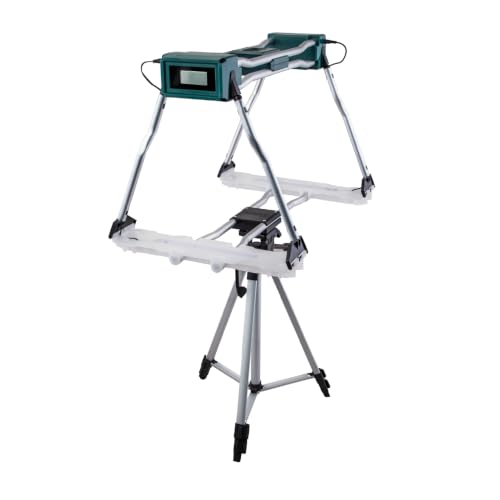
Caldwell Ballistic Precision G2 Bluetooth Chronograph with LED Light Kit
$199.99A step up in logging and display over the entry optical unit, for a shooter who has an established, safe downrange setup and does not want to move to radar yet.
Best for: A shooter already comfortable with optical placement who wants better data logging without changing designs.
Check price on AmazonExpert: a drag curve from your own bullet
This tier is the performance ceiling for data quality: tracking the bullet continuously downrange rather than measuring it once at the muzzle, which derives a drag figure for your actual ammunition instead of assuming the published one.

Caldwell VelociRadar Chronograph with Chirp Radar and Integrated Ballistic Calculator
$640.26Tracks the bullet downrange with integrated radar rather than measuring it once at the muzzle, deriving a drag curve for your specific load rather than trusting the published ballistic coefficient.
Best for: A long range shooter refining a firing solution past 600 yards who wants their own drag data rather than a manufacturer's average.
Check price on AmazonWho should not buy this tier: Not for anyone who only needs a single reliable muzzle velocity number for a drop app. The extra Doppler drag-curve data mostly pays off for shooters dialling turrets past 600 to 800 yards, and it is more than a hunter shooting inside 300 yards needs.
How we chose
We did not test these optics in person and we never claim to. Picks are researched from manufacturer specification sheets, published optical and ballistic formulas, and the recurring themes in verified owner reviews. Every pick is matched to a real objective diameter, a real tube size, a real ring height or a real exit pupil rather than to a price bracket, and it is placed in the tier where its capability actually belongs. Where a figure is shooter convention rather than a sourced number we label it, and where a manufacturer does not publish a figure we leave it out instead of estimating it.
Sources
- Garmin published specifications
- Caldwell published specifications
- G1 standard drag function, the published Ingalls and Siacci reference
Frequently asked questions
How much does a chronograph actually change my drop chart?
It replaces an assumed muzzle velocity with a measured one, and a 100 fps difference between the two is ordinary. That gap puts a typical centrefire load roughly a foot low at 600 yards, an error that grows fast beyond that distance and stays under an inch inside 200 yards, where it rarely matters at all.
Is a radar chronograph safer than an optical one?
Yes, by design rather than by brand. A radar unit sits beside the shooter and tracks the bullet from there, while an optical unit has to sit downrange of the muzzle to read the bullet's shadow, which is where people are struck by their own shots most years. Both measure velocity accurately; only one requires equipment in the bullet's path.
Where do I place an optical chronograph safely?
Follow the manufacturer's specified distance and height exactly, confirm the rifle is unloaded with the action open before you walk downrange to set it up, and never stand near or beyond it while anyone could fire. A wide group or a zero that has shifted is how these units get struck, so treat the setup with the same care as the target itself.
Do I need a chronograph if I only shoot inside 300 yards?
Not urgently. The velocity error that a chronograph corrects stays under an inch of drop inside 200 yards and only a few inches at 300, which is smaller than most group sizes at that distance. It becomes genuinely important once you start dialling come-ups or holding over past 400 to 500 yards.
Why do my chronograph readings vary shot to shot?
Some variation is the ammunition itself, called extreme spread, and it is normal to see a spread of twenty to forty feet per second across a string even with quality factory loads. A single reading is not a load's velocity; an average across ten or more shots is a far more trustworthy number to build a drop table from.
Can I use a chronograph reading in a ballistics app?
Yes, and it is the single most useful upgrade you can make to any drop or holdover calculation. Replace the catalogue muzzle velocity with your own measured average in the app, and every downstream number, from a 300 yard holdover to a 900 yard dial, becomes a real prediction rather than an estimate from someone else's barrel.
Researched, not professional advice. This page is compiled from published manufacturer specifications, published optical and ballistic formulas, and owner-review consensus, not hands-on testing. Figures described as a rule of thumb are shooter convention rather than sourced numbers, and they are labelled that way wherever they appear. Ballistic figures come from a point mass model using the ballistic coefficient the maker publishes, so treat them as a starting point and confirm them on paper at a measured distance. Confirm your firearm is unloaded with the action open before you mount, level, torque or bore sight anything. Verify a zero only on a supervised range or a safe, legal backstop, know what lies beyond your target, and follow the law where you hunt and shoot, including rules on land access and permitted cartridges.