Glassing and ranging
Expert Glassing Kit: High Power Binoculars and a Spotting Scope
Quick answer
A full glassing system costs about $2,659 including 15x56 binoculars for finding, an HD spotting scope for judging, rangefinding binoculars and a carbon fibre tripod. This is a system for open country at distance and it is genuinely wasted in timber.
This kit separates the two jobs that the earlier kits combined. High power binoculars find, because two eyes are far less tiring than one over an hour of searching. A spotting scope judges, once something has been found and the question becomes whether it is worth a stalk.
Splitting them is what makes an all day glassing session possible. Trying to find animals through a spotting scope is exhausting and slow, and trying to judge one through a binocular at the distance this kit works at does not give you enough detail.
Who should not buy this: anybody hunting timber or broken country where shots and sightings are inside 300 yards. This is an open country system and in the wrong terrain it is heavy, expensive and less useful than the intermediate kit.
The complete setup: $2,659
$2,659A genuine need to glass open country at distance, and the willingness to carry roughly twice the weight of the intermediate kit. Every item here assumes a tripod is always with you.
Finding
High power binoculars on a tripod. This is the instrument that does most of the work in this kit.
| Item | Qty | Each | Line |
|---|---|---|---|
 Vortex Diamondback HD 15x56 Binoculars Fifteen power with a 3.73 mm exit pupil, which stays usable well into the evening on a tripod Vortex Diamondback HD 15x56 Binoculars Fifteen power with a 3.73 mm exit pupil, which stays usable well into the evening on a tripod | 1 | $369.00 | $369.00 |
| Finding subtotal | $369.00 | ||
Judging
Angled body, because it is easier to share and easier to use from a low tripod, which is where most judging happens.
| Item | Qty | Each | Line |
|---|---|---|---|
 Vortex Diamondback HD 20-60x85 Angled Spotting Scope The largest objective here and the one that stays usable longest into the evening Vortex Diamondback HD 20-60x85 Angled Spotting Scope The largest objective here and the one that stays usable longest into the evening | 1 | $499.00 | $499.00 |
| Judging subtotal | $499.00 | ||
Ranging, in the glass you are already using
The animal is already in the binocular when you press the button, rather than having to be found again through a monocular.
| Item | Qty | Each | Line |
|---|---|---|---|
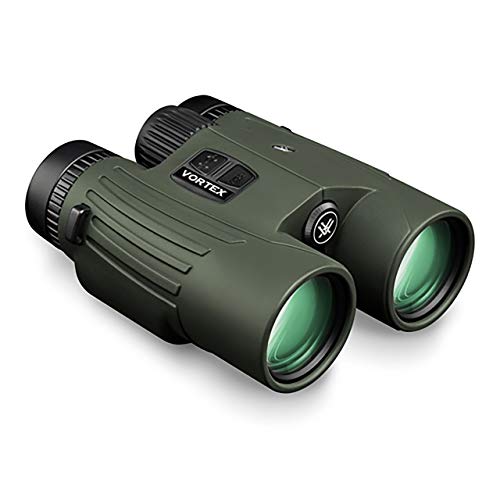 Vortex Fury HD 5000 10x42 Laser Rangefinding Binoculars The unit that made rangefinding binoculars ordinary equipment rather than an exotic purchase Vortex Fury HD 5000 10x42 Laser Rangefinding Binoculars The unit that made rangefinding binoculars ordinary equipment rather than an exotic purchase | 1 | $979.00 | $979.00 |
| Ranging, in the glass you are already using subtotal | $979.00 | ||
Support
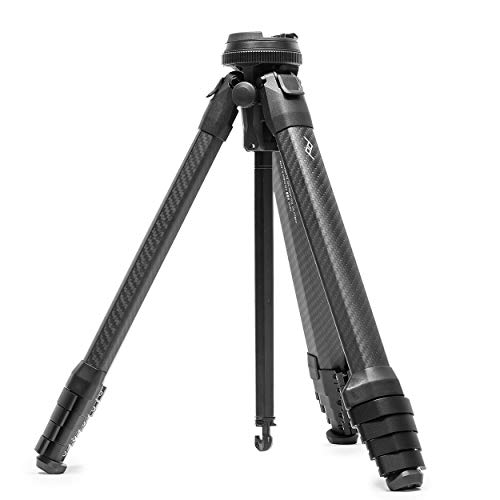
Carbon legs and a fluid head. At 60x on a spotting scope, tripod vibration is the limiting factor rather than the glass.


Carry and care
Three optical instruments need somewhere to live, and the one buried in the pack is the one you stop using.


Total for this setup
Optics, support and carry hardware only, at the listed prices when this page was compiled. It does not include shipping or sales tax.
Why two instruments beat one better one
The temptation at this budget is to buy one very good spotting scope and use it for everything. It does not work, for a reason that is about your eyes rather than about the glass.
Searching is a task you do for hours, and doing it with one eye closed or squinting is genuinely tiring. Within about forty minutes most people start missing things they would have seen at the start. A binocular keeps both eyes open and comfortable, so the fifth hour is nearly as productive as the first.
Judging is a task you do for two minutes, on something you have already found, and it needs resolution rather than comfort. That is what a spotting scope is for, and using it only for that means you are looking through it when it matters and not otherwise.
What magnification is actually usable at last light
Exit pupil across this kit, which is the figure that decides where to stop turning the ring as the light goes.
The 15x56 binocular holds a 3.73 mm exit pupil, while the spotting scope falls to 1.42 mm at 60x, which is why the binocular is still working after the spotter has gone dark.
Sourced figure
| Instrument | Magnification | Exit pupil | Usable at last light? |
|---|---|---|---|
| 15x56 binocular | 15x | 3.73 mm | Yes, comfortably |
| 20-60x85 spotter | 20x | 4.25 mm | Yes |
| 20-60x85 spotter | 40x | 2.13 mm | Marginal |
| 20-60x85 spotter | 60x | 1.42 mm | No, bright conditions only |
| 10x42 rangefinding binocular | 10x | 4.2 mm | Yes |
Exit pupil is objective diameter divided by magnification, which is exact arithmetic. It says nothing about glass quality, which is what separates two optics with the same figure.
What you can skip
Two things that sound like the logical extension of this kit and are not.
- More spotting scope magnification. At 60x on an 85 mm objective the exit pupil is 1.42 mm, and mirage usually destroys the image long before the optic runs out. Most serious glassers spend most of their time between 25x and 40x.
- A second tripod. One good tripod and a quick release plate on each optic is lighter, cheaper and faster than carrying two. Standardise on one plate pattern and never think about it again.
What to upgrade first
Nothing on this page. Spend the next money on being somewhere better. At this level the kit is no longer the limiting factor: where you sit, how early you get there and how systematically you work the ground are worth more than any remaining upgrade.
If you want one more thing, make it a comfortable seat and a windproof layer. Glassing is a sitting still discipline and being cold is what ends sessions early, not the optics.
Frequently asked questions
Do I need a spotting scope if I have 15x binoculars?
For finding, no: the binoculars are better because two eyes are less tiring over hours. For judging, yes: at 20x to 40x a spotting scope resolves antler detail and body condition that 15x cannot. The two instruments do different jobs and buying one to do both compromises the job you do for longer.
Are rangefinding binoculars worth the money?
If you already carry both a binocular and a rangefinder, the case is strong: the animal is already in the glass when you press the button, rather than having to be found again through a monocular. The argument against is that a failure means replacing two instruments at once, which is why this sits in the expert tier.
Angled or straight spotting scope?
Angled for almost everybody. It is easier to share between two people without re-setting the tripod, easier to use from a low seated position behind cover, and it lets the tripod sit lower and therefore steadier. A straight body is easier to aim initially and better from a vehicle window.
How much does tripod quality matter at 60x?
More than the spotting scope at that magnification. Vibration is magnified along with everything else, so a scope on a flexing tripod in wind delivers a shimmering image regardless of the glass. Carbon legs damp vibration faster than aluminium, which is most of the argument for the extra cost.
Is 15x too much magnification for handheld use?
Yes, comfortably. At 15x your pulse alone makes the image unusable within seconds. These are tripod binoculars and they should be bought as part of a system that includes the tripod, not as a handheld upgrade from a 10x. If you want handheld, stay at 8x or 10x.
What should I standardise on for tripod plates?
One pattern across every optic you own, so anything can go on the tripod in seconds without hunting for the right plate. Arca Swiss is the most widely supported and is what most quality heads accept. Fit a plate permanently to each optic and adapter rather than swapping one between them.
Researched, not professional advice. This page is compiled from published manufacturer specifications, published optical and ballistic formulas, and owner-review consensus, not hands-on testing. Figures described as a rule of thumb are shooter convention rather than sourced numbers, and they are labelled that way wherever they appear. Ballistic figures come from a point mass model using the ballistic coefficient the maker publishes, so treat them as a starting point and confirm them on paper at a measured distance. Confirm your firearm is unloaded with the action open before you mount, level, torque or bore sight anything. Verify a zero only on a supervised range or a safe, legal backstop, know what lies beyond your target, and follow the law where you hunt and shoot, including rules on land access and permitted cartridges.