Glassing and ranging
Intermediate Glassing Kit: Tripod, Better Glass and Real Range
Quick answer
A serious glassing kit costs about $806 including HD binoculars, a purpose built glassing tripod with a pan head, a 2000 yard angle compensating rangefinder and a harness with a rangefinder pocket. The tripod is the part that changes what you can find.
The difference between this kit and the beginner one is not the binocular. It is the tripod.
A supported binocular resolves detail a handheld one never will, because the limiting factor at 10x in your hands is your pulse rather than the glass. Put the same binocular on a pan head and animals appear that were invisible thirty seconds earlier. Experienced glassers describe this as the single largest capability change in the whole category, and it costs less than a glass upgrade.
The rangefinder step up is about reading soft targets confidently rather than about the headline number. A unit that returns nothing on a deer at 400 yards is useless regardless of what it claims on a reflective surface.
The complete setup: $806
$806Nothing carried over from the beginner kit is required, though the lens care items transfer. Budget a morning to learn to glass systematically from the tripod rather than sweeping.
The binocular
HD glass is where colour fringing around a dark animal against a bright sky stops being visible.
| Item | Qty | Each | Line |
|---|---|---|---|
 Vortex Diamondback HD 10x42 Binoculars The default recommendation in this category for a decade, and it earns it Vortex Diamondback HD 10x42 Binoculars The default recommendation in this category for a decade, and it earns it | 1 | $240.00 | $240.00 |
| The binocular subtotal | $240.00 | ||
The tripod, which is the actual upgrade
A pan head tracks far better than a ball head for optics, because you are following something rather than framing it.
| Item | Qty | Each | Line |
|---|---|---|---|
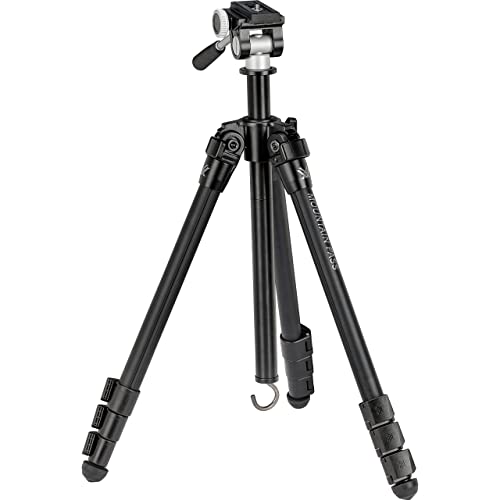 Vortex Mountain Pass Tripod Kit Light enough to actually be carried, which is the specification that decides whether a tripod gets used Vortex Mountain Pass Tripod Kit Light enough to actually be carried, which is the specification that decides whether a tripod gets used | 1 | $134.44 | $134.44 |
 Vortex Pro Binocular Adapter Holds the binocular rigidly rather than letting it rock on a single screw Vortex Pro Binocular Adapter Holds the binocular rigidly rather than letting it rock on a single screw | 1 | $68.99 | $68.99 |
| The tripod, which is the actual upgrade subtotal | $203.43 | ||
Ranging
A confident read on a soft target at real distance matters more than the maximum range printed on the box.
| Item | Qty | Each | Line |
|---|---|---|---|
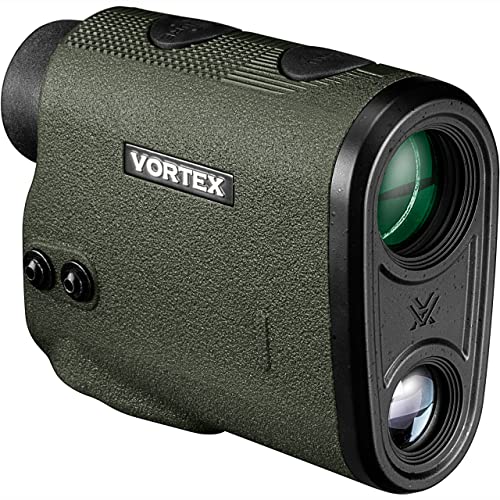 Vortex Diamondback HD 2000 Laser Rangefinder Faster and more confident on soft targets, which is where the cheap units return nothing Vortex Diamondback HD 2000 Laser Rangefinder Faster and more confident on soft targets, which is where the cheap units return nothing | 1 | $299.00 | $299.00 |
| Ranging subtotal | $299.00 | ||
Carry
A harness with a dedicated rangefinder pocket keeps both instruments where your hands already are.
| Item | Qty | Each | Line |
|---|---|---|---|
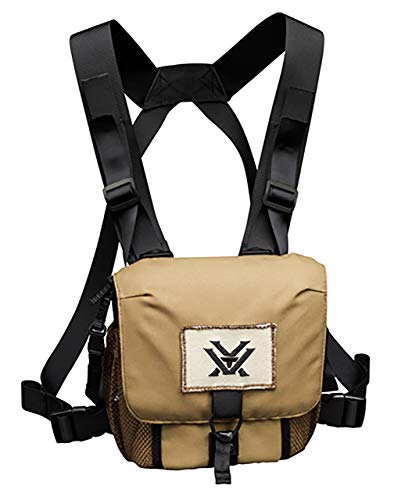 Vortex Glasspak Binocular Harness A closed case on a four point harness, protecting the glass and still reaching your eyes in one movement Vortex Glasspak Binocular Harness A closed case on a four point harness, protecting the glass and still reaching your eyes in one movement | 1 | $29.00 | $29.00 |
| Carry subtotal | $29.00 | ||
Care
Glass that lives on your chest in all weather collects everything, and cleaning it badly is how coatings die.
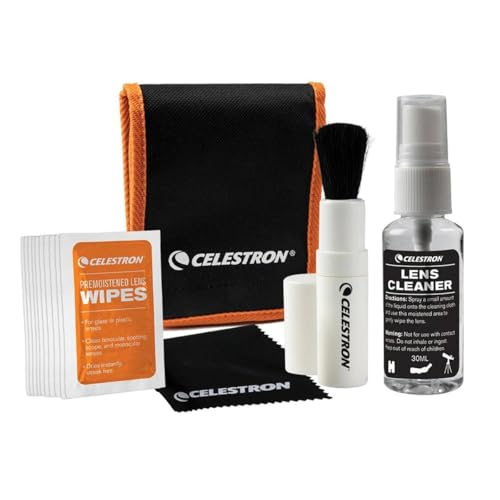
Total for this setup
Optics, support and carry hardware only, at the listed prices when this page was compiled. It does not include shipping or sales tax.
What a tripod actually does for a binocular
At 10x, your pulse moves the image. Not dramatically, but continuously, and your visual system spends its resolving power tracking a moving picture rather than picking detail out of a still one.
Remove the movement and the same glass shows you more. Edges sharpen, an ear flick becomes visible at a distance where the whole animal was ambiguous before, and you can hold on one spot long enough for something to move rather than sweeping past it.
This is why experienced glassers regard the tripod as non-negotiable and why a modest binocular on a good tripod out-finds an expensive binocular in your hands. It is also why the 12x and 15x binoculars in the expert kit only make sense once a tripod exists.
Choosing a head: ball, pan or fluid
The head matters as much as the legs and is frequently an afterthought. For optics you are following something rather than framing it, which points away from the default photography answer.
A pan or fluid head tracks smoothly and stops where you leave it, which is what glassing needs, while a ball head sticks and jumps under load at high magnification.
Shooter convention
| Head type | Good for | The catch |
|---|---|---|
| Pan head | Sweeping a hillside at a constant level | Less flexible for odd angles than a ball head |
| Fluid head | Tracking a moving animal at high magnification | Heavier and more expensive than a pan head |
| Ball head | Fast repositioning, compact packing | Sticks and jumps under load, and can creep with a heavy optic |
| Clamping shooting head | Supporting a rifle as well as glass | Heavy, and overkill if you only ever carry glass |
A levelling base under any of these is worth having, because it lets you level the head without resetting all three legs.
What you can skip
Two things people add at this level that do not earn their place yet.
- A spotting scope, still. Two eyes are far less tiring than one over an hour, and a 15x binocular on this tripod does most of what a spotting scope does for finding. Buy the spotter when you genuinely need to judge, not to find.
- Rangefinding binoculars. They are excellent and they are the expert tier for a reason: a failure means replacing two instruments at once, and at this budget the money does more good in the tripod.
What to upgrade first
A dedicated high power binocular, on the tripod you now own. A 15x56 on a solid tripod is a different instrument from a 10x42, and it is the upgrade that finds bedded animals at a mile. It only makes sense once the tripod exists, which is why it sits in the expert kit rather than this one.
Learn the technique before spending anything else: glass in overlapping grid squares, slowly, and let your eye settle on each one. Sweeping is the commonest mistake and it is free to fix.
Frequently asked questions
Is a tripod really worth it for binoculars?
It is the largest single capability change available in this category. At 10x your pulse moves the image continuously, and your eye spends its resolving power tracking that movement rather than picking out detail. Remove it and the same binocular finds animals it was missing, which is a bigger improvement than one full tier of glass.
What tripod height do I need for glassing?
Tall enough to use standing if you glass from ridgelines, because a tripod you have to crouch at stops being used after an hour. Most glassing is done seated, so the more important figure is how low it goes: a tripod that spreads flat lets you work from a comfortable seated position behind cover.
Should I get a ball head or a pan head?
A pan or fluid head for optics. You are following something rather than framing it, and a pan head moves smoothly along one axis and stays where you leave it. Ball heads stick and then jump under load, which at high magnification means losing whatever you were watching.
How far can a 2000 yard rangefinder actually range a deer?
Considerably less than 2000 yards, and that is normal rather than a defect. Headline figures are measured against large reflective targets in good conditions. A soft, non-reflective animal in poor light might return a confident read at a third to a half of the stated maximum, which is why a faster and more sensitive unit beats a higher number.
Do I need HD or ED glass?
It controls chromatic aberration, which is the colour fringing you see around a dark object against a bright background. In practice that is exactly the situation glassing puts you in: an animal against a skylined ridge. It is a real improvement rather than marketing, and it matters more at the edges of the day.
Can I put my rangefinder on the tripod too?
Some units have a tripod thread and benefit from it, because a steady rangefinder holds its aim on a small target long enough to return a read. If yours does not have a socket, bracing it against the tripod leg or your knee achieves most of the same thing at no cost.
Researched, not professional advice. This page is compiled from published manufacturer specifications, published optical and ballistic formulas, and owner-review consensus, not hands-on testing. Figures described as a rule of thumb are shooter convention rather than sourced numbers, and they are labelled that way wherever they appear. Ballistic figures come from a point mass model using the ballistic coefficient the maker publishes, so treat them as a starting point and confirm them on paper at a measured distance. Confirm your firearm is unloaded with the action open before you mount, level, torque or bore sight anything. Verify a zero only on a supervised range or a safe, legal backstop, know what lies beyond your target, and follow the law where you hunt and shoot, including rules on land access and permitted cartridges.