Rangefinding binoculars
Vortex Ranger HD 3000 10x42: Full Specifications
Quick answer
The Vortex Ranger HD 3000 10x42 Laser Rangefinding Binoculars lists at $799.00. Published figures: magnification 10x, objective lens 42 mm, maximum ranging distance 3,000 yd. It suits a first rangefinding binocular.
The accessible entry into rangefinding binoculars, giving up maximum range rather than glass quality to hit the price.
Every figure below is the manufacturer's own published specification, taken from the product listing and the data sheet. Where a figure is not published it is left out rather than estimated, which is why some sheets are shorter than others. Price is the listed price when this page was last compiled and it changes often.
On this page
Vortex Ranger HD 3000 10x42 specifications
The Vortex Ranger HD 3000 10x42 publishes magnification 10x, objective lens 42 mm, maximum ranging distance 3,000 yd, at a listed price of $799.00.
Sourced figure
| Specification | Published figure |
|---|---|
| Magnification | 10x |
| Objective lens | 42 mm |
| Maximum ranging distance | 3,000 yd |
| Angle compensation | Yes |
Specifications above are the manufacturer published figures, taken from the product listing. Figures the maker does not publish, such as total elevation travel or exact eye relief, are omitted here rather than estimated.
What the manufacturer says about it
The manufacturer own listing bullets, quoted rather than paraphrased so you can judge the claims yourself. These are marketing copy, not independent measurement.
Vortex lists 5 headline points for the Ranger HD 3000 10x42, quoted here verbatim.
| Manufacturer listing point |
|---|
| The Ranger HD 3000 delivers fast, angle-compensated ranges with the primary HCD mode, ideal for most hunters and archers. Includes a GlassPak Harness to protect your binos and keep them ready for quick access in the field. |
| HD Optical System and fully multi-coated lenses deliver crisp, color-accurate views, while a red OLED display ensures easy-to-read ranging in low light or complex backgrounds. |
| Range up to 3,000 yards on reflective targets and 1,500 on game with LOS, HCD, and Scan modes. Normal, First, and Last target modes let you range through brush, isolate small targets, or lock onto distant game. |
| Streamlined design and tripod adaptability add comfort, better ergonomics and stability for extended glassing in the field. |
| Built for harsh field conditions, waterproof, fogproof, and shockproof with rubber armor and ArmorTek-coated lenses for added durability. |
What this optic suits
Best for: a first rangefinding binocular.
Category: rangefinding binoculars. The honest test for any optic is whether its numbers match your rifle and the distances you actually shoot rather than whether it is a good product in the abstract. Work out what ring height you need, what exit pupil the magnification gives you and how much elevation the distance demands, using the calculators on this site, then check this model against those answers.
The closest alternatives at a similar price
Same category, nearest price. An alternative with no stated reason is filler, so each of these is here because it trades something specific against the model above.

SIG SAUER Canyon 10x42 Laser Rangefinding Binoculars
$799.99Sig ranging speed in a binocular body, with the onboard ballistic solver that the Kilo monoculars are known for.
Best for: fast ranging with a firing solution in the glass
Check price on Amazon
Burris SignatureHD LRF Rangefinding Binocular
$789.99Burris glass with a forever warranty in a category where a failure means replacing two instruments at once.
Best for: a warranty-backed rangefinding binocular
Check price on Amazon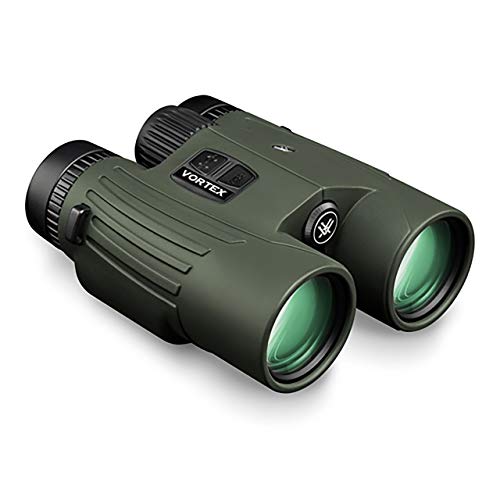
Vortex Fury HD 5000 10x42 Laser Rangefinding Binoculars
$979.00 Full specificationsThe reference in this category at this price, and the unit that made rangefinding binoculars ordinary equipment rather than an exotic purchase.
Best for: a hunter who currently carries binoculars and a rangefinder separately
Check price on Amazon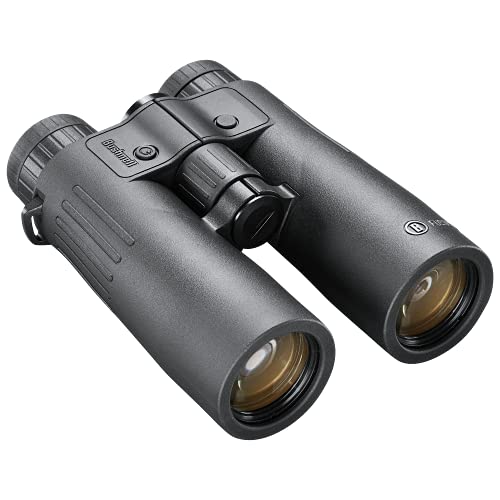
Bushnell Fusion X 10x42 Ranging Binoculars with ARC Technology
$535.25Angle range compensation built into a binocular at the accessible end of this category, from a maker that has been doing laser ranging for a very long time.
Best for: angle compensated ranging on a budget
Check price on AmazonSide by side
| Model | Price | Angle compensation | Magnification | Objective lens | Maximum ranging distance |
|---|---|---|---|---|---|
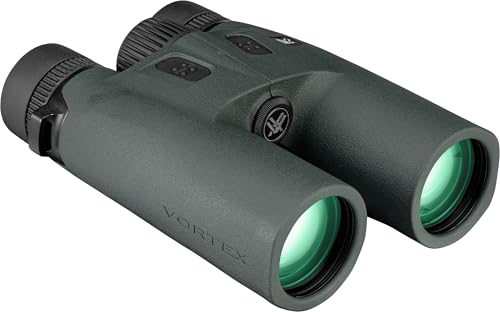 Vortex Ranger HD 3000 10x42 Laser Rangefinding Binoculars Vortex Ranger HD 3000 10x42 Laser Rangefinding Binoculars | $799.00 | Yes | 10x | 42 mm | 3,000 yd |
| SIG SAUER Canyon 10x42 Laser Rangefinding Binoculars | $799.99 | Yes | 10x | 42 mm | - |
| Burris SignatureHD LRF Rangefinding Binocular | $789.99 | Yes | - | - | - |
| Vortex Fury HD 5000 10x42 Laser Rangefinding Binoculars | $979.00 | Yes | 10x | 42 mm | 5,000 yd |
A dash means the manufacturer does not publish that figure. We leave it blank rather than estimating it.
How we chose
We did not test these optics in person and we never claim to. Picks are researched from manufacturer specification sheets, published optical and ballistic formulas, and the recurring themes in verified owner reviews. Every pick is matched to a real objective diameter, a real tube size, a real ring height or a real exit pupil rather than to a price bracket, and it is placed in the tier where its capability actually belongs. Where a figure is shooter convention rather than a sourced number we label it, and where a manufacturer does not publish a figure we leave it out instead of estimating it.
Sources
- Vortex published specifications for the Ranger HD 3000 10x42
- Amazon product listing features and current pricing
Frequently asked questions
How much does the Vortex Ranger HD 3000 10x42 cost?
It was listed at $799.00 when this page was last compiled. Optics pricing moves frequently and promotional pricing is common, so treat that as a planning figure and confirm the current price before committing to a purchase or budgeting a whole setup around it.
Is the Vortex Ranger HD 3000 10x42 right for my rifle?
A first rangefinding binocular. Beyond that, the honest test is whether it physically fits and whether its numbers match the distances you shoot. Check the ring height its objective needs and the exit pupil its magnification gives before deciding.
Where do these specifications come from?
The manufacturer published figures, taken from the product listing and data sheet. We do not test products in person and we never claim to, so nothing here is a measured result. Where a specification is not published by the manufacturer it is omitted rather than estimated, which is why some sheets are shorter than others.
Will this fit my rifle and my rings?
Check three things in this order. The tube diameter has to match the rings exactly, because a 30 mm ring will not hold a 34 mm tube. The objective bell has to clear the barrel at the ring height you own. And the rail or base pattern on the receiver has to match the mount. Those three account for most returns in this category.
Is it worth buying this rather than the cheaper alternative?
Only if the thing it does better is something you actually need. The alternatives listed above each trade something specific, and on a first setup the money almost always does more good spent on a solid mount, a torque driver and a level than on upgrading the glass by one model.
Researched, not professional advice. This page is compiled from published manufacturer specifications, published optical and ballistic formulas, and owner-review consensus, not hands-on testing. Figures described as a rule of thumb are shooter convention rather than sourced numbers, and they are labelled that way wherever they appear. Ballistic figures come from a point mass model using the ballistic coefficient the maker publishes, so treat them as a starting point and confirm them on paper at a measured distance. Confirm your firearm is unloaded with the action open before you mount, level, torque or bore sight anything. Verify a zero only on a supervised range or a safe, legal backstop, know what lies beyond your target, and follow the law where you hunt and shoot, including rules on land access and permitted cartridges.